
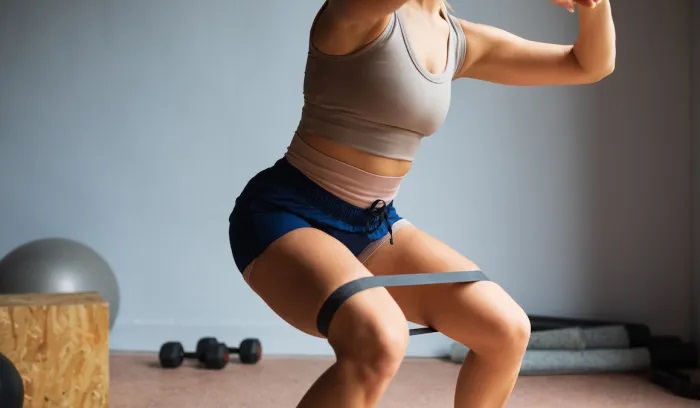
When it comes to athletic performance, the focus often falls on the big, visible muscles like the gluteus maximus. However, the upper glutes, which include the gluteus medius and minimus, play a crucial but sometimes overlooked role in movement efficiency, power, and balance. These smaller muscles stabilize the pelvis and control hip motion, making them essential for activities such as running, jumping, and quick directional changes. Activating and strengthening the upper glutes can significantly elevate athletic performance and reduce injury risk.
Enhancing Running Efficiency and Speed
The upper glutes are critical stabilizers during running. As you run, one leg supports your entire body weight while the upper glutes on that side prevent your pelvis from dropping. Weakness in these muscles leads to inefficient running mechanics, causing the pelvis to tilt and placing excessive strain on the lower back, hips, and knees. By focusing on targeted upper glute exercises—like side-lying leg lifts and lateral band walks—athletes can improve hip stability, allowing for smoother, more powerful strides and better energy transfer, which ultimately translates to enhanced speed and endurance.
Improving Jumping Power and Control
Jumping requires not only strength but also excellent control and balance. The upper glutes contribute to hip abduction and stabilization, movements that are vital during takeoff and landing phases. When these muscles are strong and properly activated, they help maintain hip alignment, reducing the risk of inward knee collapse—a common cause of injury in sports involving jumping. Strengthening the upper glutes with exercises like clamshells and single-leg glute bridges improves an athlete’s ability to generate explosive power while maintaining control, leading to safer and more effective jumps.
Supporting Balance and Agility
Balance and agility are fundamental for nearly all sports, from soccer to basketball to tennis. The upper glutes act as key stabilizers, especially during single-leg movements and quick directional changes. Training these muscles enhances proprioception—the body’s awareness of position—and strengthens the muscles responsible for stabilizing the hips. This increased stability improves overall balance and helps prevent falls or awkward movements that can lead to injury. Incorporating dynamic exercises like lateral band walks and single-leg deadlifts can boost balance, making athletes more agile and responsive on the field or court.
Practical Tips for Upper Glute Activation
To effectively activate and strengthen the upper glutes, consistency and proper technique are essential. Begin upper glute workout with activation exercises such as clamshells, glute bridges with bands, or side-lying hip abductions. Use controlled movements and focus on the mind-muscle connection to ensure the targeted muscles are engaged. Gradually increase resistance with bands or weights as strength improves. Integrating these exercises 2–3 times per week alongside your regular training routine can lead to noticeable improvements in athletic performance and injury resilience.
In conclusion, the upper glutes play a pivotal role in athletic performance by enhancing running mechanics, jumping power, and balance. Prioritizing upper glute activation not only boosts efficiency and explosiveness but also helps protect the body from injury. Whether you’re a competitive athlete or a fitness enthusiast, targeting these muscles will help you move stronger, faster, and with greater control.
