
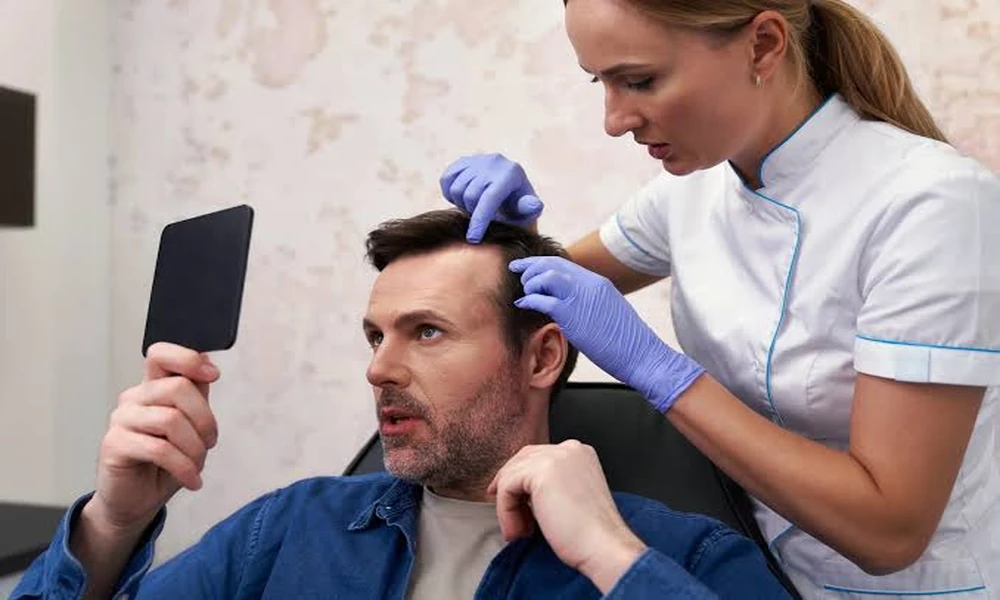
Personalised planning gives each person a restoration approach built around their own needs. Hair growth patterns vary widely. Some people want better coverage at the front, while others want more fullness across a larger area. A detailed assessment helps individuals seeking fut hair transplantation thailand establish realistic goals and select a treatment approach suited to their hair restoration needs.
Assessing Individual Growth Patterns
Each person’s growth pattern affects how the restoration is carried out. Specialists examine the donor area to see how many follicles are available and which way they naturally grow. They also look at the areas that need more coverage. The plan is then shaped around these findings.
- Existing density, which sets realistic coverage expectations.
- Donor strength, which guides follicle selection.
- Natural growth direction, which supports balanced placement.
- Scalp condition, which affects individual planning needs.
- Past changes in hair loss, which help shape future goals.
Setting Personal Restoration Goals
Clear goals allow specialists to build a workable treatment plan. Some people want a stronger frontal hairline, while others want more density in specific areas. Personal preference also affects the final look. A thorough discussion helps set targets that match what the person expects.
Creating Suitable Treatment Plans
A personalised approach is based on individual needs, not a fixed method. Specialists check follicle availability and work out how much coverage the donor area can support. They also plan the placement pattern carefully so the result looks natural. This keeps the procedure aligned with the person’s restoration goals.
People considering fut hair transplantation thailand can discuss their requirements at an initial consultation. Specialists can explain the approach and outline what the process involves. Planning also takes into account:
- Follicle distribution for balanced coverage across the chosen areas.
- Individual preference for the shape of the front hairline.
- Donor availability for setting extraction numbers.
- Placement direction for a natural overall appearance.
- Personal expectations for the overall restoration strategy.
Supporting Natural Growth Results
A natural-looking result depends on careful planning and precise follicle placement. Before the procedure, specialists note the direction and angle of existing hair. Even distribution keeps the treated area visually balanced. The hairline shape should also suit the person’s facial features.
Recovery guidance is another key part of personalised care. Following the aftercare instructions protects the treated area while it heals.
Maintaining Progress Through Care
Consistent aftercare supports healing after the procedure. Specialists explain how to wash the scalp and what daily care is needed. Patients should keep to the recommended follow-up schedule. These visits are used to check healing and track changes through the growth cycle.
A typical care routine includes gentle handling and good scalp hygiene. Patients also receive advice on when to return to normal activities. Progress reviews help spot changes early and allow timely advice. Close attention throughout recovery keeps the restoration process well organised.
FAQ
What determines an individual’s suitability for FUT treatment?
Specialists mainly assess suitability based on donor density and scalp condition.
How does personalised planning improve follicle placement?
An individual assessment allows follicles to be placed in line with natural growth direction.
When can patients notice visible growth changes?
Visible changes appear gradually over several months after treatment.
