
The Ubiquitous Nature of Asbestos Materials
Asbestos was once hailed as a miracle material, and its presence was felt across many industries, especially in naval construction. Its widespread adoption stemmed from a unique combination of properties that made it seem ideal for shipbuilding. From the mid-20th century until the 1980s, it was practically everywhere on naval vessels. Think about it: if you worked in a shipyard during that era, you were almost certainly exposed to asbestos in some form. It was used in everything from the insulation around pipes to the flooring tiles. The sheer volume of asbestos-containing materials (ACMs) used meant that exposure was often unavoidable for shipyard workers. Many older ships still contain these materials, posing a risk even today. The Long Beach Naval Shipyard, for instance, used asbestos extensively until the late 1980s, a period linked to serious health issues for its workers. Naval shipyards used asbestos for decades.
Fireproofing and Insulation Properties
What made asbestos so popular in shipbuilding? Primarily, its incredible resistance to heat and fire. Ships, by their very nature, are complex environments with numerous potential ignition sources. Asbestos was the go-to solution for fireproofing bulkheads, decks, and engine rooms. It was also a fantastic insulator, not just against heat but also against sound and electricity. This made it incredibly useful for protecting sensitive equipment and creating quieter living and working spaces onboard. Its durability and low cost further cemented its place in naval design. The ability to withstand extreme temperatures made it seem like a perfect fit for the demanding conditions found within a warship’s hull.
Widespread Application in Ship Components
The application of asbestos in ship construction was incredibly broad. It wasn’t just limited to a few specific areas; rather, it was integrated into the very fabric of the vessels. You’d find it in:
- Insulation: Lagging on pipes, boilers, and steam systems.
- Fireproofing: Sprayed coatings on structural steel, fire-rated doors, and electrical insulation.
- Construction Materials: Asbestos cement for panels and partitions, floor tiles, ceiling tiles, and even in paints and sealants.
- Machinery: Gaskets, brake linings, and clutch facings in various shipboard equipment.
This pervasive use meant that nearly every trade within a shipyard, from pipefitters and electricians to insulators and general laborers, had a high likelihood of encountering asbestos. Shipyard workers faced a significant risk of developing serious health problems due to this widespread exposure. Asbestos exposure was common in these environments.
Health Risks Associated with Asbestos Exposure
Understanding Asbestosis and Its Symptoms
Asbestos exposure can lead to a lung condition called asbestosis. This happens when asbestos fibers get lodged in the lungs, causing scarring. Over time, this scarring makes it harder for the lungs to work properly. Symptoms often don’t show up for many years after exposure, sometimes decades. People with asbestosis might experience shortness of breath, a dry cough, and chest tightness. The damage from asbestosis is permanent and irreversible. It’s a progressive illness, meaning it tends to get worse over time, impacting daily life significantly. Many shipyard workers from the past, like those at Norfolk Naval Shipyard, faced high levels of exposure.
Malignant Mesothelioma: A Latent Disease
Malignant mesothelioma is a particularly aggressive cancer that affects the lining of the lungs, abdomen, or heart. It is almost exclusively caused by asbestos exposure. The latency period for mesothelioma is notoriously long, often between 30 to 50 years or even more from the initial exposure. This means individuals might be diagnosed many years after their service in environments where asbestos was common. Symptoms can be vague at first, including chest pain, persistent cough, and unexplained weight loss. For veterans, especially those who served on ships, the risk is a serious concern, and understanding this delayed onset is key for veterans’ health.
Lung Cancer and Other Asbestos-Related Illnesses
Beyond asbestosis and mesothelioma, asbestos exposure also significantly increases the risk of developing lung cancer. This risk is even higher for individuals who smoked, as asbestos and smoking have a synergistic effect, meaning their combined impact is greater than the sum of their individual risks. Other health problems linked to asbestos include thickening of the lung lining (pleural thickening) and certain abdominal cancers. Recognizing these potential health issues requires ongoing awareness and medical attention for those with a history of exposure in environments like naval shipyards.
Identifying Asbestos in Military Shipyard Environments
Common Locations for Asbestos-Containing Materials
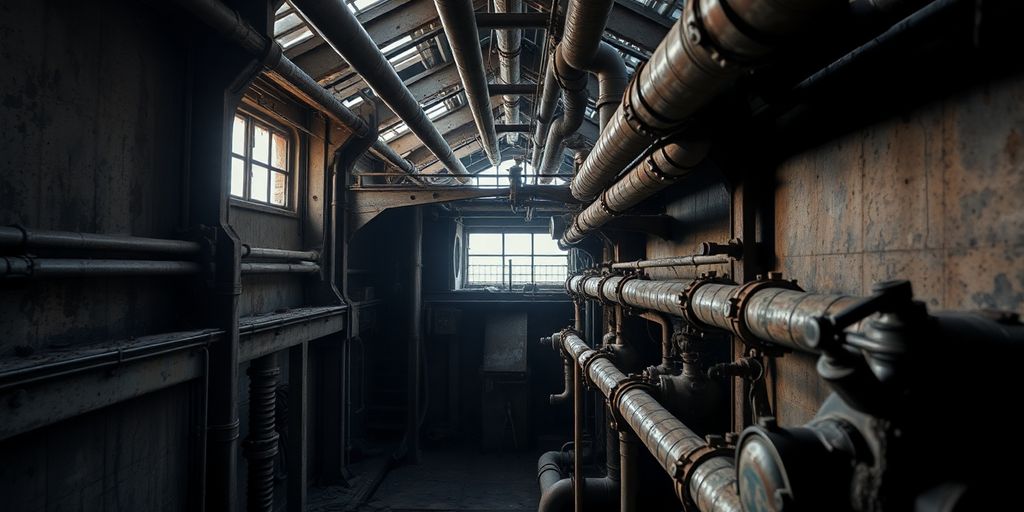
When thinking about asbestos in shipyards, it’s easy to picture the big, obvious stuff, but it was actually used in a lot of different places. Think about the pipes running through the ship – they were often wrapped in asbestos insulation to keep heat in or out. The walls and ceilings, especially in engine rooms or near boilers, might have had asbestos-based insulation or fireproofing materials. Even things like gaskets, seals, and electrical insulation could contain asbestos. It was really put into so many components because of its fire resistance and durability. For anyone working on these ships, or in the shipyards where they were built and maintained, knowing these common spots is the first step in identifying potential exposure risks. Many former Navy vessels contained asbestos, posing a significant health risk to veterans and increasing their likelihood of developing mesothelioma. A list of specific Navy ships known to have asbestos is available.
Visual Inspection and Material Sampling
Spotting asbestos isn’t always straightforward just by looking. While some materials might look obviously like insulation, others can be disguised. A visual inspection is a good starting point, though. You’d be looking for materials that are brittle, powdery, or look like they might crumble easily, especially if they’re in areas that have seen a lot of wear and tear. If you suspect a material might contain asbestos, the next step is careful sampling. This needs to be done with caution to avoid releasing fibers into the air. Typically, a small piece of the suspect material is collected, often wetted down first to minimize dust. This sample is then sealed in a container for testing.
Professional Testing and Laboratory Analysis
Once a sample is collected, it’s not something you can just guess about. To get a definitive answer, the sample needs to go to a specialized laboratory. These labs have trained professionals who use microscopes, like polarized light microscopy (PLM), to identify the specific types of asbestos fibers present, if any. They can also determine the percentage of asbestos in the material. This detailed analysis is critical because not all materials that look similar have the same asbestos content, and the type of asbestos can influence the risk. The results from this testing are what confirm whether a material is indeed asbestos-containing and needs to be handled with specific safety protocols. Ships and shipyards are subject to safety and health inspections that can identify hazards like asbestos. These inspections are part of a program aimed at ensuring worker safety.
Mitigation and Remediation Strategies
When dealing with asbestos in military shipyards, proper mitigation and remediation are key to worker safety and environmental protection. It’s not a simple DIY job; it requires careful planning and execution.
Containment Procedures for Asbestos Removal
Before any work begins, the area needs to be sealed off. This means using plastic sheeting and tape to create a barrier, preventing any stray fibers from spreading. Turning off HVAC systems and sealing vents is a critical first step to avoid circulating contaminated air. Think of it like creating a clean room within the shipyard. This isolation is vital for preventing cross-contamination to other parts of the facility. For detailed guidance on setting up these barriers, resources on shipbreaking operations can be very informative.
Safe Handling and Disposal Protocols
Once contained, the asbestos-containing materials (ACMs) must be handled with extreme care. Workers typically wear specialized protective gear, including respirators. The materials are usually double-bagged in heavy-duty plastic bags, sealed, and labeled clearly as asbestos waste. Disposal must follow strict regulations, usually at designated hazardous waste landfills. It’s a process that demands precision at every stage.
Air Monitoring During and After Remediation
Throughout the removal process and even after the work is done, air monitoring is essential. This involves taking samples of the air in and around the remediation area to check for any airborne asbestos fibers. Initial testing confirms the presence of asbestos, ongoing tests ensure the containment is working, and final tests verify that the area is safe for reoccupation. This continuous monitoring is what confirms the success of the remediation efforts and protects everyone involved. Proper sealing of vents is part of this overall strategy.
Long-Term Health Monitoring for Veterans
Recognizing Delayed Onset of Illnesses
It’s important for veterans who served in shipyards to know that asbestos-related diseases often take a long time to show up. We’re talking decades, sometimes 20, 30, or even more years after exposure. This means that even if someone left service years ago and felt fine, they could still develop problems later on. Conditions like asbestosis, which affects lung tissue, or mesothelioma, a cancer linked specifically to asbestos, have a very slow development. This delayed onset is a key reason why ongoing health checks are so important for anyone who might have encountered asbestos during their military career. It’s not like a sudden injury; it’s a slow burn that can catch people off guard.
Accessing Medical Care and Compensation
For veterans who do develop asbestos-related conditions, there are pathways to get help. The Department of Veterans Affairs (VA) has systems in place to support those whose illnesses are connected to their service. Understanding these benefits is a critical step for veterans seeking medical treatment and financial assistance. This can include coverage for doctor visits, treatments, and other related expenses. Many veterans find that filing a claim can be complex, but resources are available to help guide them through the process. It’s about making sure those who were exposed get the care they need and are recognized for their service-related health issues. You can find more information about potential health impacts from service on the VA’s website.
The Importance of Documenting Service History
Keeping good records of your military service is really helpful when it comes to health issues that might pop up later. This includes details about where you served, what your job was, and any specific units you were part of. For asbestos exposure, knowing the shipyards you worked in and the types of materials you might have encountered can be vital. This documentation can support a claim for VA benefits if you are diagnosed with an asbestos-related illness. It provides concrete evidence linking your health condition to your time in the service. If you’re a veteran diagnosed with mesothelioma, you may be eligible for VA benefits if the illness resulted from asbestos exposure during your service.
Regulatory Frameworks and Worker Protection
Protecting those who served and continue to work in environments where asbestos was once prevalent is a matter of ongoing regulatory attention. Various agencies and internal naval directives have been put in place to manage the risks associated with asbestos-containing materials (ACMs).
OSHA Standards for Asbestos Abatement
The Occupational Safety and Health Administration (OSHA) sets strict rules for how asbestos must be handled in the workplace. These rules cover a lot of ground, from how workers should be trained to the specific equipment they need to wear. The goal is to keep exposure levels as low as possible. For instance, OSHA mandates specific procedures for:
- Training: Workers who might encounter asbestos must receive thorough training on its hazards and safe handling practices.
- Personal Protective Equipment (PPE): This includes respirators and protective clothing designed to prevent inhalation and skin contact.
- Work Area Controls: Establishing designated, controlled areas for asbestos work is key to preventing the spread of fibers. Employers are mandated to provide personal protective equipment (PPE) and ensure safe laundering practices. Shipyard workers are at high risk.
EPA Guidelines for Environmental Protection
The Environmental Protection Agency (EPA) focuses on the broader environmental impact of asbestos, particularly during removal and disposal. Their guidelines aim to prevent asbestos fibers from becoming airborne and contaminating the surrounding environment. This involves:
- Notification: Procedures for notifying relevant authorities before asbestos removal begins.
- Containment: Requirements for sealing off work areas to prevent fiber release.
- Disposal: Strict rules for packaging, labeling, and transporting asbestos waste to approved landfills.
Naval Regulations Governing Hazardous Materials
Beyond external agencies, the Navy itself has specific regulations and policies concerning hazardous materials, including asbestos. These internal directives often go into detail about:
- Identification and Inventory: Keeping track of where asbestos is located on ships and in facilities.
- Management Plans: Developing strategies for managing ACMs, whether through encapsulation, enclosure, or removal.
- Worker Health Surveillance: Implementing programs to monitor the health of personnel who may have been exposed. For those who developed asbestos-related illnesses, understanding eligibility for compensation is important. If you worked at a Pacific Northwest shipyard, you may be eligible for compensation.
