
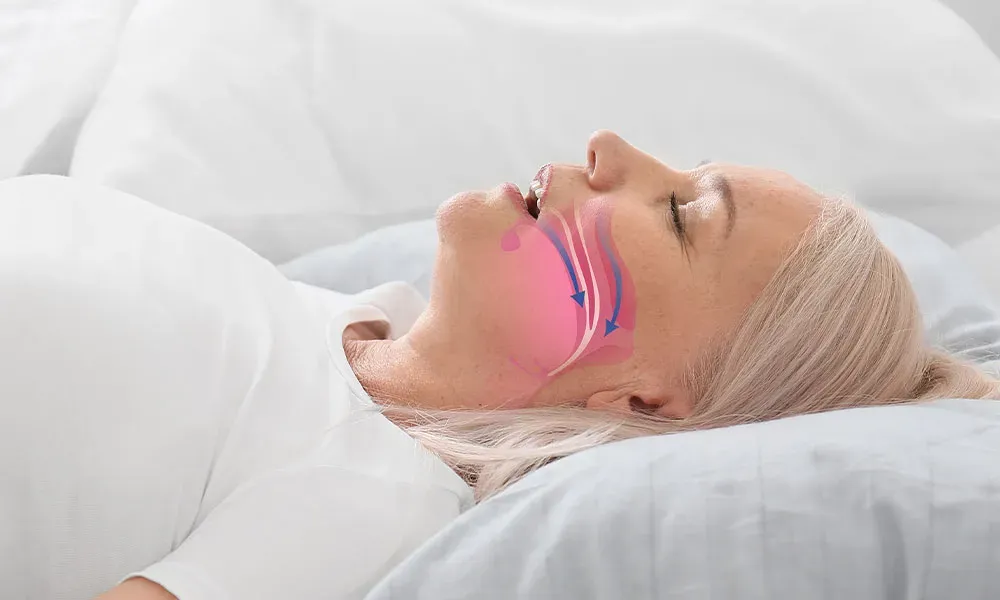
What is Sleep Apnea?
Sleep apnea is a disorder in which a person’s breathing pauses and starts again multiple times while sleeping. This happens when the airway becomes blocked (called obstructive sleep apnea) or when the brain doesn’t send the right signals to control breathing (central sleep apnea). A cpap machine is often used to help keep the airway open during sleep, especially for those with obstructive sleep apnea. The most common type is obstructive sleep apnea, which occurs when the throat muscles relax too much and narrow the airway.
Common symptoms include:
- Loud snoring
- Gasping or choking during sleep
- Feeling very tired during the day
- Morning headaches
- Trouble focusing
- Mood changes, like irritability or depression
Up to 90% of people with sleep apnea don’t know they have it. Not everyone who snores has sleep apnea, but if your snoring is followed by pauses in breathing, it’s worth getting checked.
Who Is at Risk?
Anyone can develop sleep apnea, but certain factors increase your chances:
- Weight: Being overweight can cause excess tissue around the throat, blocking the airway.
- Neck size: A larger neck (over 17 inches for men, 15 for women) can mean a narrower airway.
- Gender: Men are more likely to get it, but women’s risk increases after menopause.
- Age: The risk goes up as you get older.
- Genetics: Family history can play a role.
- Lifestyle: Smoking, alcohol, and sedatives relax throat muscles and make symptoms worse.
Even people with a healthy weight can have sleep apnea due to jaw shape or genetics.
Health Risks of Untreated Sleep Apnea
Ignoring sleep apnea can lead to serious health problems beyond just poor sleep.
- Heart problems: Each time your breathing stops, oxygen levels drop, and stress hormones rise. Over time, this strains your heart and increases the risk of high blood pressure, heart attacks, and stroke.
- Type 2 diabetes: Interrupted sleep affects how your body uses sugar, increasing insulin resistance and diabetes risk.
- Weight gain: Poor sleep can cause hunger and slow metabolism, making weight loss harder.
- Mental health issues: Constant tiredness can cause depression, anxiety, and memory problems.
- Accidents: Daytime sleepiness can be as dangerous as drunk driving and is linked to many car crashes.
- Other conditions: Sleep apnea can worsen acid reflux, chronic pain, and even increase the risk of early death by up to 30%.
Why You Might Not Know You Have It
Because symptoms mostly happen during sleep, many people don’t realize they have sleep apnea. A partner might notice gasping or pauses in breathing, but people who sleep alone may not. Daytime symptoms like fatigue are often ignored or blamed on stress.
Take Action
Understanding sleep apnea and its risks is the first step toward better health. If you wake up tired, snore loudly, or feel sleepy throughout the day, see a doctor. Proper diagnosis and treatment can restore restful sleep, boost energy, and protect your long-term health.
Don’t ignore the signs—getting help could save your life.
