
Why Recovery Is Just as Important as the Procedure Itself
Liposuction and body contouring procedures can deliver dramatic improvements in shape and proportion, but the quality of the final result depends heavily on what happens after surgery. Recovery is not simply a waiting period. It is an active phase where the body heals, tissues adapt, and contours refine.
Patients often focus on before-and-after photos without fully understanding the process in between. Knowing what to expect during recovery helps reduce anxiety, supports proper healing, and leads to better long-term outcomes.
At The Aesthetics Centers in Newport Beach, Dr. Siamak Agha places strong emphasis on patient education and recovery planning, ensuring that results look natural, balanced, and stable over time.
“Great results are built during recovery, not just in the operating room.”
Understanding What Liposuction and Body Contouring Do to the Body
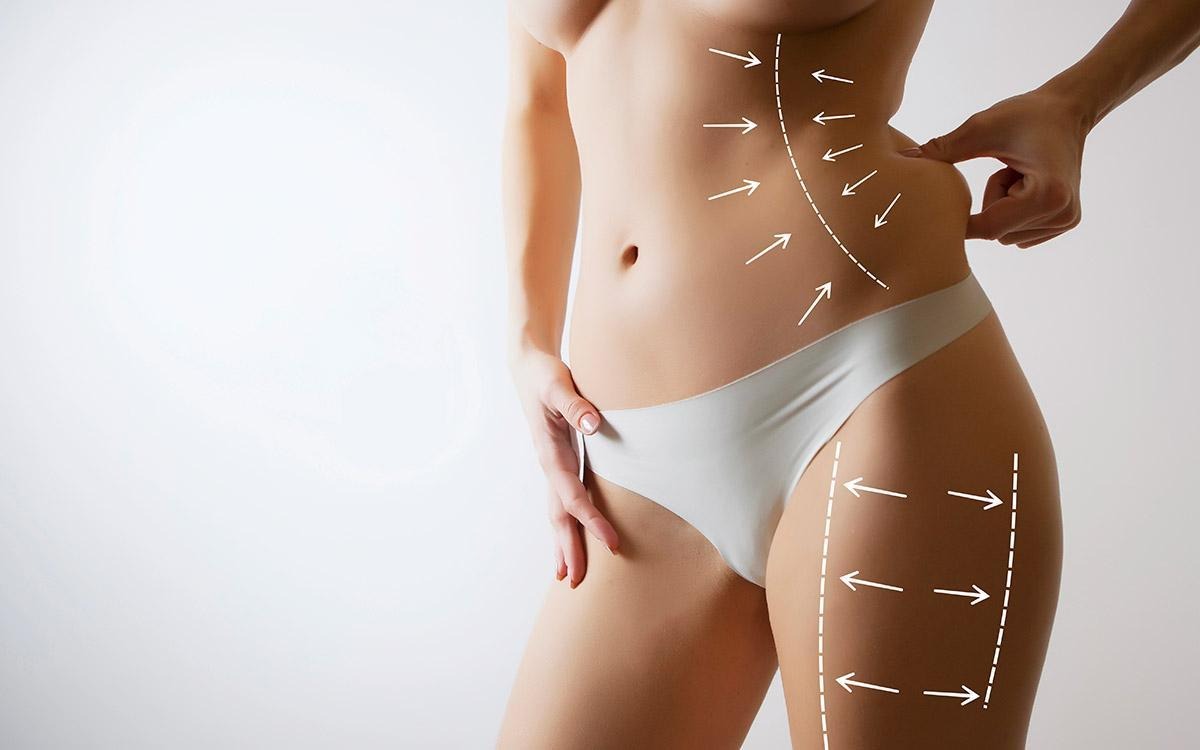
Liposuction removes targeted fat deposits to reshape and refine the body’s silhouette. Body contouring may also include procedures such as fat transfer, tummy tuck surgery, or skin tightening, depending on the treatment plan.
These procedures involve controlled trauma to the tissue. Fat cells are removed or redistributed, small tunnels are created beneath the skin, and in some cases muscles and skin are surgically repaired. The body responds with inflammation, swelling, and a healing process that unfolds over weeks and months.
Understanding this biological response is key to setting realistic recovery expectations.
The First 24 to 72 Hours After Surgery
Immediately after liposuction or body contouring, patients can expect swelling, soreness, and a feeling of tightness in treated areas. This is a normal inflammatory response and a necessary part of healing.
Compression garments are typically placed right after surgery to control swelling, support tissues, and help the skin adapt to new contours. These garments play a critical role in shaping the final result.
Patients are encouraged to walk gently soon after surgery to promote circulation and reduce the risk of complications. Pain is usually manageable with prescribed or recommended medications.
The First Week: Managing Swelling and Discomfort
During the first week, swelling and bruising are at their peak. It is common for patients to feel discouraged during this phase, as results may look uneven or exaggerated.
This stage does not reflect the final outcome. The body is still adjusting, and fluid retention is normal. Compression garments should be worn as directed, and activity should remain light.
Dr. Agha provides detailed guidance on how to care for incision sites, manage discomfort, and recognize normal healing versus signs that require attention.
Weeks Two to Four: Early Refinement Begins
As the body moves past the initial inflammatory phase, swelling gradually decreases and bruising fades. Patients often notice the first signs of contour improvement during this period.
While it may be tempting to resume normal activities quickly, moderation is essential. Overexertion can increase swelling and delay healing.
Light exercise may be reintroduced under guidance, but compression garments are usually still required to support tissue adaptation.
The Role of Compression Garments in Recovery
Compression garments are one of the most important tools in body contouring recovery. They help reduce swelling, support skin retraction, and guide tissues into smoother contours.
Wearing compression as instructed improves comfort and enhances final outcomes. Patients who are inconsistent with compression may experience prolonged swelling or contour irregularities.
Dr. Agha customizes compression recommendations based on the procedure performed and individual anatomy.
Months One to Three: Contours Take Shape
Between one and three months after surgery, most visible swelling resolves. The body begins to reveal more defined contours, and results become easier to appreciate.
At this stage, patients often notice improvements in how clothing fits and how their body feels during movement. Some residual swelling may persist, particularly in larger treatment areas or toward the end of the day.
This phase marks a transition from healing to refinement, where results continue to improve gradually.
Fat Transfer and Recovery Considerations
When fat transfer is part of body contouring, recovery involves both donor and recipient sites. Donor areas heal similarly to liposuction, while recipient areas require protection to support fat survival.
Patients are often advised to avoid pressure on fat transfer areas during early healing. This supports integration of transferred fat and improves long-term volume retention.
Tummy Tuck Recovery Differences
If body contouring includes a tummy tuck, recovery involves additional considerations. Muscle repair requires protection, and patients may experience tightness or limited mobility initially.
Walking slightly bent forward is common during early recovery and resolves as tissues heal. Core strength improves gradually, and patients are advised to avoid heavy lifting for several weeks.
Despite a longer recovery, tummy tuck results are often among the most transformative, particularly for post-pregnancy patients.
Emotional Aspects of Recovery
Recovery is not only physical. It can also be emotional. Swelling, temporary discomfort, and changes in appearance can affect mood and confidence during early healing.
Understanding that these feelings are normal helps patients stay grounded and patient. Support from the surgical team and clear communication play an important role during this phase.
Dr. Agha and his team maintain close follow-up to address concerns and provide reassurance throughout recovery.
When Final Results Are Visible
While improvements are noticeable within weeks, final results from liposuction and body contouring can take several months to fully develop. Skin retraction, tissue remodeling, and residual swelling all influence timing.
Most patients see near-final results by three to six months, with subtle refinement continuing up to a year in some cases.
Understanding this timeline helps patients avoid premature judgments about outcomes.
Long-Term Results and Lifestyle Impact
Liposuction permanently removes fat cells from treated areas, but remaining fat cells can still expand with weight gain. Maintaining a stable weight is key to preserving results.
Body contouring does not replace healthy habits, but it can enhance body proportions in ways that exercise alone cannot achieve.
Patients who commit to a balanced lifestyle often enjoy long-lasting satisfaction with their results.
Follow-Up Care and Monitoring
Regular follow-up appointments allow Dr. Agha to monitor healing, address concerns, and ensure optimal results. These visits are an important part of the recovery process.
Adjustments, guidance, or reassurance provided during follow-up help patients navigate recovery with confidence.
Setting Realistic Expectations
Understanding what recovery truly looks like prevents disappointment and unnecessary stress. Body contouring recovery is a journey, not an instant transformation.
Patients who approach recovery with patience and adherence to guidance consistently achieve the most refined outcomes.
Who Is a Good Candidate for Liposuction and Body Contouring?
Ideal candidates are individuals near their target weight, in good health, and committed to following recovery instructions. Realistic expectations and long-term planning are essential.
A consultation with Dr. Agha allows patients to understand what recovery will involve and whether body contouring aligns with their goals.
Why Experience Matters in Recovery Outcomes
Surgical expertise influences not only the procedure but also how smoothly recovery unfolds. Proper technique minimizes trauma, reduces complications, and supports efficient healing.
At The Aesthetics Centers, Dr. Agha’s disciplined approach prioritizes both immediate safety and long-term aesthetic quality.
Schedule a Consultation With Dr. Agha
If you are considering liposuction or body contouring and want a clear understanding of what recovery involves, a personalized consultation is the best next step.
Contact The Aesthetics Centers in Newport Beach to schedule a private consultation with Dr. Siamak Agha and learn how careful planning and expert guidance support smooth recovery and refined results.
