
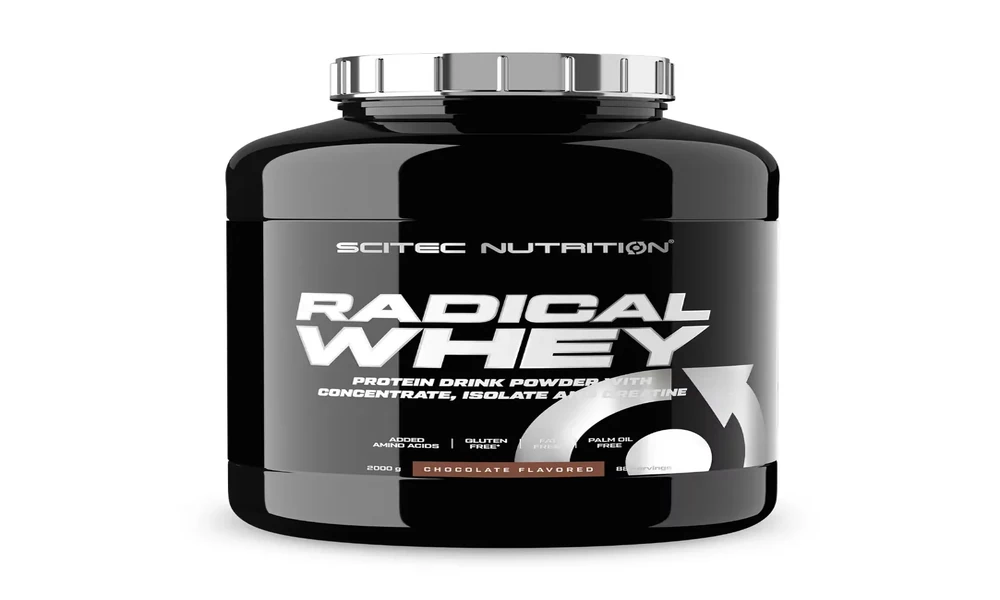
Protein powders are now a familiar part of sports nutrition, but choosing between different products can still be confusing. Whey concentrates, isolates, casein formulas and protein blends may look similar at first, yet their ingredients and nutritional profiles can differ considerably.
A sensible choice starts with understanding your training routine, normal diet and personal preferences. When comparing Whey Protein in Lebanon, it is useful to look beyond flavour or packaging and consider the protein source, serving information and ingredients. This makes it easier to select a product that fits naturally into an existing nutrition plan.
Start With Your Reason for Using Protein Powder
Before choosing a product, consider why you want to include protein powder in your diet. Some people use it because preparing a protein-rich meal immediately after training is not always practical. Others simply want a convenient option for days when work, travel or other commitments affect their usual eating routine.
Protein powder should complement everyday food rather than automatically replace it. Eggs, dairy products, meat, fish, legumes and other foods can contribute protein alongside a range of other nutrients.
Your training habits are also relevant. Someone completing regular resistance sessions may structure meals differently from a person exercising casually. Understanding your routine first makes comparing supplements considerably easier.
Understand the Main Protein Types
Not every protein powder contains the same type of protein. Whey is widely used in sports nutrition, but whey products themselves can vary. Whey concentrate and whey isolate undergo different levels of processing and may therefore have different nutritional profiles.
Other products can contain casein, beef-derived protein, plant-based ingredients or blends of multiple protein sources. Rather than assuming one option is universally better, consider which format suits your dietary preferences and routine.
Always check the current label for ingredients, protein content, serving size, preparation instructions and allergen information. These details provide a stronger basis for comparison than product names or packaging claims.
Compare the Nutrition Information Carefully
The front of a supplement container is designed to attract attention, but the nutrition panel provides more useful information for making a considered choice.
When looking through Protein Powder Lebanon options, compare products using their actual serving information. A scoop from one formula may not equal a scoop from another, so comparing only the number of scoops can create an inaccurate impression.
People with food allergies or particular dietary requirements should also review ingredient and allergen statements carefully. Product formulas can change, making the latest label or manufacturer information more reliable than details remembered from a previous purchase.
Consider Convenience and Your Daily Routine
A supplement is only genuinely convenient when it works with your normal schedule. Before buying a large container, think about when and how you are likely to use the product.
Someone who trains early in the morning may prioritise quick preparation, while an evening gym-goer may already have enough time for a normal meal. Some people may only need protein powder occasionally when food preparation is inconvenient.
Flavour, texture and mixing instructions can matter as well. A product might look suitable nutritionally but become impractical if you dislike preparing or consuming it regularly. Considering everyday usability alongside nutritional information can lead to a more appropriate choice.
Keep Supplements in Perspective
Protein is an important nutrient, particularly for active individuals, but simply consuming protein powder does not guarantee a particular training result. Fitness progress depends on a combination of factors, including consistent training, overall food intake, recovery and sleep.
Individual nutritional requirements also vary according to factors such as body size, activity level and overall diet. Consuming more of a supplement is therefore not automatically better.
Anyone uncertain about personal protein requirements, especially those with specific dietary or health considerations, can seek advice from an appropriately qualified healthcare or nutrition professional.
Check Current Details Before Purchasing
Sports nutrition ranges can change regularly. Manufacturers may introduce new formulas, alter packaging or update ingredients, while individual products can move in and out of stock.
Before ordering, check the current product page and label for ingredients, serving guidance, availability and other relevant details. This is particularly worthwhile when repurchasing something you have not used for several months.
A few minutes spent reviewing current information can prevent assumptions and help ensure the chosen product still matches your dietary preferences and training routine.
Conclusion
Choosing protein powder does not need to involve chasing the most complicated formula or the biggest list of claims. A better approach is to understand your reason for using it, compare protein types and labels carefully, and consider how the product fits into your everyday schedule.
Protein powder can provide a convenient addition to an active lifestyle when used appropriately. Keeping it alongside balanced food choices, regular exercise and adequate recovery provides a more practical foundation for long-term training and nutrition decisions.
